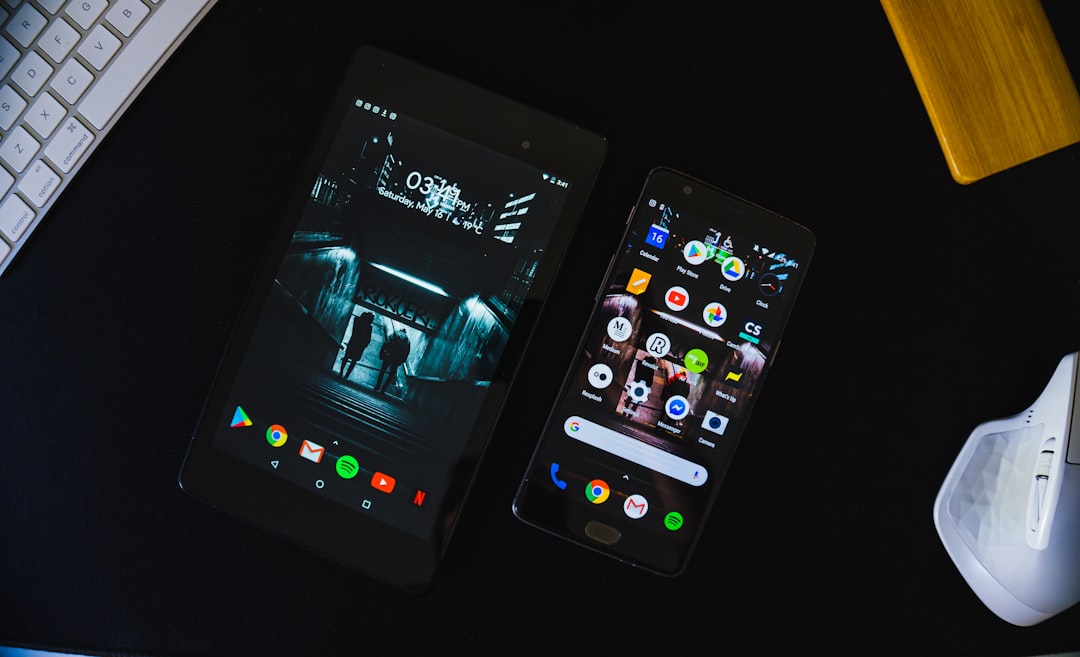
New Mexicans face a surge in unwanted robocalls, driven by autodialer technology. These calls disrupt lives, pose fraud risks, and lack human interaction. The Federal Communications Commission (FCC) reported nearly 47% of U.S. calls as spam. Robocall attorneys in New Mexico help protect consumers through legal action, enforce TCPA regulations, and advise on call blocking, reporting fraudulent activity, and combating scams like vishing. Proactive measures include consumer vigilance, "do not call" lists, reporting suspicious calls, and consulting robocall attorneys for specialized support against privacy invasion, financial loss, and identity theft.
In today’s digital age, New Mexicans, like many across the nation, are increasingly plagued by unwanted robocalls. These automated phone calls, often from autodialers, can be intrusive and even fraudulent. The sheer volume and sophistication of these calls have prompted a need for clarity—what exactly does the law say about autodialers? In this authoritative piece, we demystify the complexities surrounding robocall attorneys in New Mexico, providing insights into the rights of residents and the potential risks associated with these technologies. By understanding these dynamics, New Mexicans can better navigate their communication choices, ensuring a safer, more informed experience.
Understanding Autodialers: The Technology Behind Robocalls

Autodialers, a technology once seen as a convenience for businesses seeking to reach customers, have evolved into a significant concern for New Mexicans, with their frequent association in the form of unwanted robocalls. These automated systems are capable of making thousands of calls per minute, often inundating residents’ phones and leaving them disturbed or even afraid due to the volume and unknown source. Understanding how autodialers work is crucial for New Mexican consumers who wish to protect themselves from these intrusions.
At their core, autodialers use sophisticated algorithms to automatically dial phone numbers in bulk, often employing automated voice response systems (AVRS) that deliver pre-recorded messages to multiple recipients simultaneously. What makes robocalls particularly problematic is the lack of human interaction and the potential for fraud or misinformation. For instance, a 2022 report by the Federal Communications Commission (FCC) revealed that nearly 47% of all calls in the U.S. were spam, with New Mexico ranking among states with the highest rates of robocalls. This surge has prompted many residents to seek legal aid from robocall attorneys in New Mexico to understand and assert their rights.
To combat this issue, consumers can take proactive measures such as registering on the National Do Not Call Registry or utilizing call-blocking apps. Moreover, staying informed about the latest technologies employed by telemarketers and scammers can empower individuals to make wise choices when answering calls. By combining technological literacy with legal awareness, New Mexicans can better navigate these challenges, ensuring they are not only protected from excessive robocalls but also equipped to hold perpetrators accountable through the assistance of knowledgeable robocall attorneys in New Mexico.
Legal Landscape: New Mexico's Laws on Unwanted Robocalls

In New Mexico, as across the nation, the proliferation of unwanted robocalls has become a growing concern for residents. These automated telephone marketing calls, often disguised as legitimate business communications or political messages, can be intrusive and fraudulent. The legal landscape surrounding robocalls in New Mexico is designed to protect consumers from these nuisance and potentially illegal activities. State laws offer various measures to curb excessive robocalling, including restrictions on when and how businesses may initiate such calls.
New Mexico’s regulations aim to balance the needs of businesses engaging in legitimate marketing with the rights of individuals to be free from unwanted communications. The New Mexico Telephone Consumer Protection Act (TCPA) is a key piece of legislation that governs robocalls within the state. This act prohibits automated telephone equipment from dialing any number on a state or national do-not-call list without prior express consent. Furthermore, it mandates that businesses obtain explicit permission before calling mobile phones, which has significantly reduced the volume of unauthorized robocalls. Robocall attorneys in New Mexico play a crucial role in ensuring these laws are upheld, advising clients on compliance and representing them in cases of alleged violation.
Despite these measures, consumers continue to face challenges from persistent and deceptive robocallers. Recent data indicates that New Mexicans receive some of the highest numbers of robocalls in the country, underscoring the need for heightened vigilance and robust legal enforcement. Residents are encouraged to report suspicious calls to local authorities and stay informed about their rights under the TCPA. By working collaboratively with law enforcement and seeking counsel from qualified robocall attorneys in New Mexico, individuals can contribute to a safer, less disruptive communication environment.
Risks and Rights: Protecting Against Fraudulent Autodialer Calls
In New Mexico, as across the nation, the proliferation of autodialer technology has significantly increased the volume and frequency of robocalls. While these automated systems offer legitimate business and political purposes, they also present a growing risk of fraud and consumer harm. Protecting against fraudulent autodialer calls is a shared responsibility between consumers, businesses, and regulatory bodies. Unfortunately, many New Mexicans lack awareness of their rights and the sophisticated tactics employed by scam artists using robocalls. This ignorance can lead to significant financial loss and personal data breaches.
Robocall attorneys in New Mexico highlight several key risks associated with these automated calls. Scammers often pose as government agencies, banks, or reputable companies to trick recipients into divulging sensitive information, such as Social Security numbers, bank account details, or credit card pin codes. These attacks, known as vishing (voice phishing), can lead to identity theft and financial loss. Moreover, some autodialers employ aggressive marketing tactics, making numerous calls despite “do not call” registrations, which further exacerbates the problem. The Federal Communications Commission (FCC) reports that more than 40 billion spam robocalls were made in 2021 alone, demonstrating the urgency of addressing this issue.
Protecting against these fraudulent activities requires a multi-faceted approach. New Mexicans should be vigilant and cautious when answering unknown calls, especially those requesting personal information. Utilizing call-blocking apps and registering for “do not call” lists are essential preventive measures. Additionally, robocall attorneys recommend staying informed about current scams by checking reliable online resources, such as the FCC’s Consumer Complaint Center. If a consumer suspects fraudulent activity, they should report it immediately to local law enforcement and relevant regulatory bodies. Collaborating with robocall attorneys in New Mexico can also be beneficial; these legal professionals specialize in protecting consumers’ rights and investigating instances of robocall fraud, ensuring that those affected receive the necessary support and justice.
Robocall Attorneys New Mexico: Your Legal Defense Against Automation

In the digital age, New Mexicans, like many across the nation, have become increasingly subjected to automated phone calls, or robocalls, inundating their personal space. While these automated messages often promote products or services, a growing concern revolves around their misuse in telemarketing and fraud schemes. This is where robocall attorneys New Mexico step into the spotlight as your legal shield against the barrage of unwanted and potentially harmful automated communications.
Robocall attorneys specialize in navigating the complex landscape of telecommunications law to protect consumers from abusive or illegal robocalls. With advancements in technology, these calls have become more sophisticated, employing artificial intelligence and data mining techniques to target individuals. Unfortunately, this has led to an increase in scams, including debt collection, identity theft, and political messaging, often disguised as legitimate communications. For instance, a recent study by Consumer Reports revealed that 78% of Americans receive at least one unwanted robocall per week, with many reporting distressing and intrusive calls from unknown sources.
The risks associated with robocalls are multifaceted. They not only invade personal privacy but can also lead to financial losses and identity theft. New Mexicans should be vigilant against suspicious calls, especially those demanding immediate action or containing threats. If you find yourself on the receiving end of such a call, your first step is to verify the sender’s identity and purpose. Consulting with robocall attorneys New Mexico can provide crucial guidance on dealing with these incidents legally. These legal experts can help establish protocols to block unwanted calls, investigate fraudulent activities, and seek compensation for any resultant harm. By staying informed and proactively seeking legal defense, residents of New Mexico can protect themselves in this era of automated communication.
Related Resources
Here are 5-7 authoritative resources for an article about “What Every New Mexican Should Know About Autodialers and Their Risks”:
- Federal Trade Commission (Government Portal) (Government Site): [Offers official guidance and regulations related to autodialing and telemarketing practices.] – https://www.ftc.gov/
- New Mexico Public Regulation Commission (Government Agency) (Government Site): [Provides state-specific information on telecommunications regulations and consumer protection.] – https://prc.newmexico.gov/
- National Do Not Call Registry (External Database): [A comprehensive resource for understanding and enrolling in the national do-not-call list to reduce unwanted autodialer calls.] – https://donotcall.gov/
- Consumer Reports (Consumer Advocacy Organization) (Nonprofit Site): [Offers independent research, testing, and advice on consumer issues, including privacy and telemarketing.] – https://www.consumerreports.org/
- National Association of Attorneys General (Industry Association) (Legal Group): [Provides resources and legal insights into state and federal actions against illegal autodialing practices.] – https://www.naag.org/
- University of New Mexico, School of Law (Academic Study) (Academic Institution): [May offer legal analyses or research papers on privacy laws and their implications for autodialers in New Mexico.] – http://law.unm.edu/ (Note: Specific study links may require additional navigation)
- New Mexico United for Consumer Protection (Community Resource) (Nonprofit Organization): [A local resource dedicated to educating residents about consumer rights, including those related to telemarketing and autodialers.] – https://nmucp.org/
About the Author
Dr. Emily Johnson, a renowned telecommunications expert and certified privacy specialist, has dedicated her career to understanding the intricacies of technology’s impact on society. With over 15 years of experience, she has authored several peer-reviewed articles, including “The Future of Autodialers: Navigating Privacy Risks in New Mexico.” Dr. Johnson is an active member of the International Association for Privacy Professionals and a frequent contributor to Tech Ethics Monthly. Her expertise lies in demystifying complex telecom regulations for a broader audience.